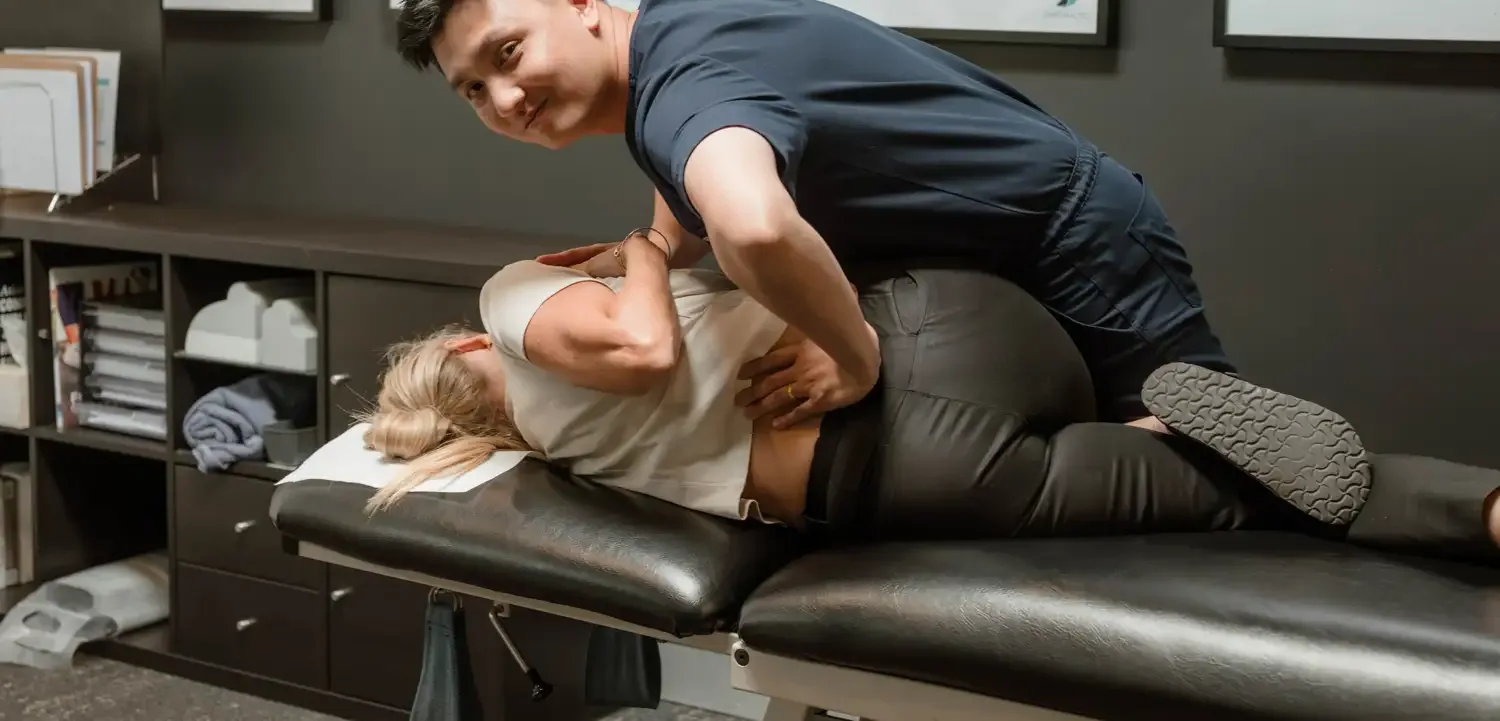
Short answer: There isn't one best chiropractic technique for everyone. Research hasn't shown any single approach, whether diversified, Gonstead, flexion-distraction, instrument-assisted or drop table, to be clearly better overall. The best technique is the one that suits your problem, your body and your preferences, chosen after a proper check.
Is there a best chiropractic technique?
Chiropractors have developed dozens of named techniques over the years. Some are widely taught; others are used by a small number of practitioners. It's natural to wonder which one is best.
The honest answer is that research comparing techniques hasn't found a clear winner. Clinical guidelines tend to group these approaches together as spinal manipulation or manual therapy, rather than recommending one named system over another. What seems to matter more is a thorough assessment, choosing a technique that suits the person and the problem, and combining hands-on care with exercise and advice.
The common chiropractic techniques, explained
| Technique | How it's done | What it feels like |
|---|---|---|
| Diversified | Hands-on adjustments using a quick, controlled movement to specific joints | Firm pressure then a quick release, often a pop |
| Gonstead | Hands-on adjustments after a detailed analysis, using specific positions, chairs and tables | Similar to diversified, with very specific set-ups |
| Flexion-distraction | A special table gently bends and gaps the low back in a slow rhythm | A rocking, stretching movement, no quick thrust |
| Activator (instrument-assisted) | A hand-held, spring-loaded instrument delivers a small, fast impulse | A brisk tap, no twisting and usually no pop |
| Drop table (Thompson) | Sections of the table drop a short distance as a quick thrust is applied | A thrust and a small drop, often with a clunk from the table |
Diversified is the general hands-on approach most chiropractors learn first and many use most. It covers the spine and other joints, using a range of positions. If you've seen a chiropractor adjust a back or neck by hand, it was probably diversified-style.
Flexion-distraction, sometimes called Cox technique, uses a table that moves. You lie face down and the lower section of the table gently bends and gaps your low back while your chiropractor applies pressure by hand. It's commonly used for low back and disc problems, and for people who prefer to avoid a quick thrust in the low back.
Activator and other instrument-assisted techniques use a small hand-held device instead of a manual thrust. The force is delivered quickly over a small area.
Drop table techniques, associated with Thompson technique, use table sections that are cocked up and drop a short distance when the chiropractor applies a thrust. The drop helps carry the movement.
Gonstead technique: what makes it different?
Gonstead technique is named after Clarence Gonstead, an American chiropractor who developed it in the twentieth century. It's a hands-on, manual approach, like diversified, but it's known for a very structured analysis before any adjustment:
- A detailed history and visual check of posture.
- Careful feeling of the spine, both still and moving.
- Frequent use of X-rays to look at spinal structure.
- Specific adjustments, often with the person seated, kneeling on a knee-chest table or side-lying on a pelvic bench.
People who like Gonstead often appreciate how methodical it is. Like other techniques, research hasn't shown it to be superior overall. It's one well-known option among several.
Why where you adjust may matter more than which technique
The modern view of chiropractic puts the nervous system at the centre. Researchers describe a vertebral subluxation as a change in how the brain controls a spinal segment, and an adjustment as a quick burst of sensory input that gives the brain fresh information about that segment1. Seen that way, the name on the technique matters less than whether it's aimed at the right place.
Researchers draw a line between a spinal adjustment, a thrust aimed at a segment showing clinical signs of dysfunction, and spinal manipulation, a thrust to any segment. A 2024 double-blind trial in 96 adults with recurrent neck pain tested the difference: a measured change in how the brain processes body information appeared only when the segment flagged by the assessment was the one adjusted2.
Precision matters. What this research supports is the approach in the checklist below: assess carefully, then choose. We go further in chiropractic and your nervous system.
How to choose a chiropractic technique
Rather than hunting for the best chiropractic technique, look for a chiropractor who:
- Checks you thoroughly before choosing any technique. We explain what that involves in how chiropractors know where to adjust.
- Explains what they found and why they're suggesting a particular approach.
- Tells you what the technique involves and what you'll feel.
- Asks about your preferences and adapts if something isn't comfortable.
- Includes exercise and practical advice, not just treatment on the table.
- Rechecks to see whether it's helping, and changes course if it isn't.
Your own preferences count. Some people love a hands-on adjustment and the release that comes with it. Others prefer a slower, table-assisted approach. A good chiropractor will talk this through with you.
The techniques we use at MPCC
At Mornington Peninsula Chiropractic, we use hands-on chiropractic adjustments, as described in what actually happens in a chiropractic adjustment, and a flexion-distraction table, a gentle, rhythmic, table-assisted technique for low back and disc problems such as a disc bulge or sciatica. Alongside those, we use digital posture pictures and give home exercises and rehab advice.
Your first visit is a new patient appointment of 30 to 40 minutes: your story, posture pictures, and a thorough chiropractic, orthopaedic and neurological check of your spine, joints and nerves. If your history and check point to X-rays, we'll refer you, and the imaging clinic we refer to bulk bills X-rays our chiropractors request. Whether you're adjusted on the first visit is up to the clinical judgement of your chiropractor. At your report of findings appointment we explain what we found and which approach we'd suggest, and why.
References (2)
- Haavik H, et al. (2021). Contemporary model of vertebral column joint dysfunction. Eur J Appl Physiol. doi:10.1007/s00421-021-04727-z
- Niazi IK, et al. (2024). Site of HVLA thrust and sensorimotor integration. Sci Rep. doi:10.1038/s41598-024-51201-9